Olfactory Signatures: Beyond Designer
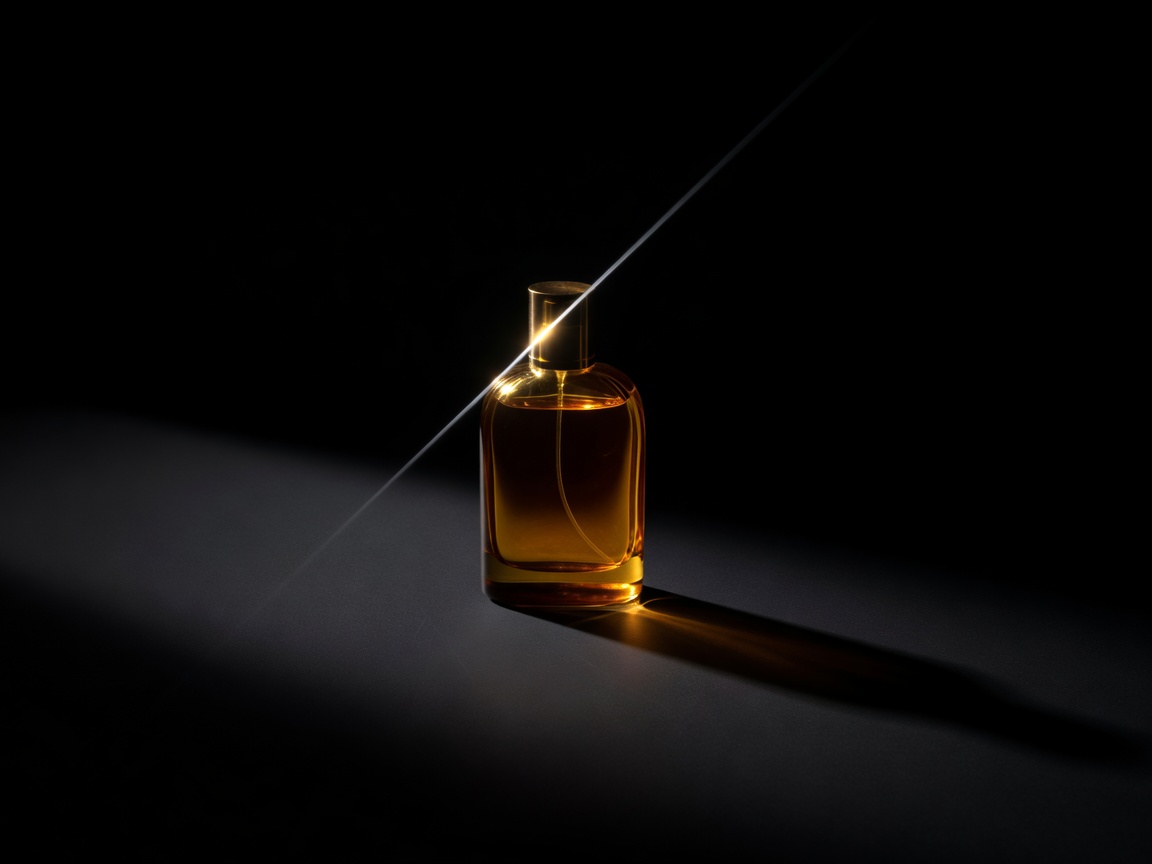
When you buy a standard designer fragrance at a department store, you are largely paying for the retail space markup, the bottle design, and the celebrity endorsement. Independent and niche perfumery flips the economic ratio, investing the budget directly into the "juice" itself—high-quality natural absolutes and daring synthetic molecules.
Concentration Economics
True value in perfumery lies in performance and evolution. A higher concentration means fewer sprays per wear, making an initially expensive bottle a better long-term investment.
Eau de Toilette (5-15% oil): High alcohol content makes for a loud initial blast but fleeting longevity. Often overpriced for the raw materials provided.
Eau de Parfum (15-20% oil): The syndicate sweet spot for daily wear. Excellent balance of sillage (projection) and longevity.
Extrait de Parfum (20-40% oil): Wears close to the skin but lasts over 12 hours. The high density of oils provides a remarkably rich, slow-evolving experience.
Key Note Profiles to Explore
Vetiver & Oakmoss
Earthy, green, and grounding. The backbone of classic fougère structures that project quiet confidence.
Oud & Amber
Resinous, smoky, and deeply complex. True agarwood provides an unmistakable depth that synthetic alternatives struggle to replicate.